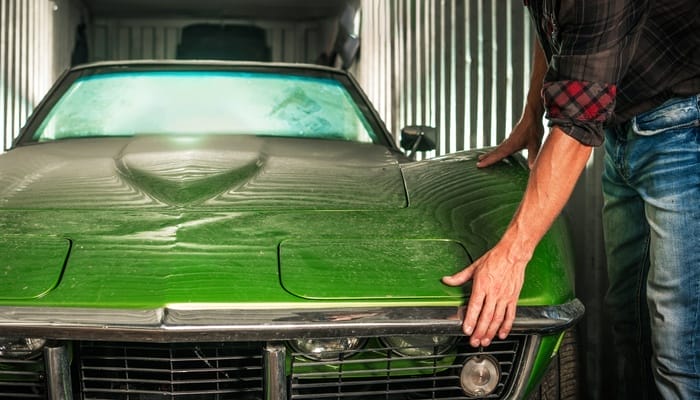
Owning a classic car is more than having a vehicle; it’s about preserving a piece of history. New owners often feel equal parts excitement and responsibility, as these vehicles require a different level of care compared to modern cars. Understanding how classic cars age, what they need to stay reliable, and how to protect their value is the foundation of long-term enjoyment. With the right habits and attention, you’ll know how to maintain your classic car for years to come.
Proper Storage Makes a Big Difference
Storage plays a critical role in classic car care. Unlike modern vehicles, older cars are more vulnerable to moisture, temperature swings, and prolonged inactivity. A dry, climate-controlled garage helps prevent rust, cracked seals, and interior deterioration.
Using a breathable car cover protects the paint while allowing moisture to escape. If indoor storage is unavailable, regular inspections become even more important to catch early signs of corrosion or weather-related damage.
Routine Maintenance Beyond the Basics
Classic cars thrive on consistency. You should check fluids frequently, even if you don’t drive the car often. Oil, coolant, brake fluid, and transmission fluid can degrade over time, making scheduled changes essential regardless of mileage.
Rubber components such as hoses, belts, and gaskets should be inspected regularly, as age causes them to harden and crack. Keeping a maintenance log helps track work done and preserves documentation that can add value down the road.
Care Tips for Your Wheels
Wheels and tires deserve special attention on a classic car. Many older vehicles use wheel materials or tire sizes that are no longer common, making proper care even more important. Tires should be checked for dry rot, flat spots, and correct air pressure, especially if the car sits for long periods.
Rotating the tires occasionally and moving the car helps prevent uneven wear. Wheels themselves should be cleaned gently to avoid damaging original finishes, as preserving authenticity is often just as important as functionality. It’s also important to know how to store your tires during offseasons; proper storage ensures that your tires don’t degrade when not in use for long periods of time.
Protecting the Exterior and Interior
Paint and interior materials on classic cars are often more delicate than modern finishes. Regular washing with mild, non-abrasive products helps preserve the paint and prevent buildup that can lead to corrosion.
Waxing adds a protective layer against UV rays and moisture. Inside the car, leather, vinyl, and fabric should be conditioned to prevent drying and cracking. Sunshades and window tinting, when appropriate, help protect the interior from long-term sun exposure.
Drive It, Don’t Just Store It
While careful storage is important, classic cars benefit from being driven. Regular use keeps seals lubricated, prevents fluid stagnation, and helps identify issues before they become major repairs.
Short, gentle drives are often enough to keep mechanical systems in good working order. Treating the car with patience and respect on the road ensures it remains enjoyable without unnecessary strain.
Keep Your Car in Excellent Condition
Classic car ownership is a rewarding experience that blends passion with responsibility. By focusing on the most important classic car care tips new owners should know, you can protect your investment while enjoying the driving experience. With time, attention, and care, a classic car can continue to turn heads and tell its story for generations to come.